February 2026
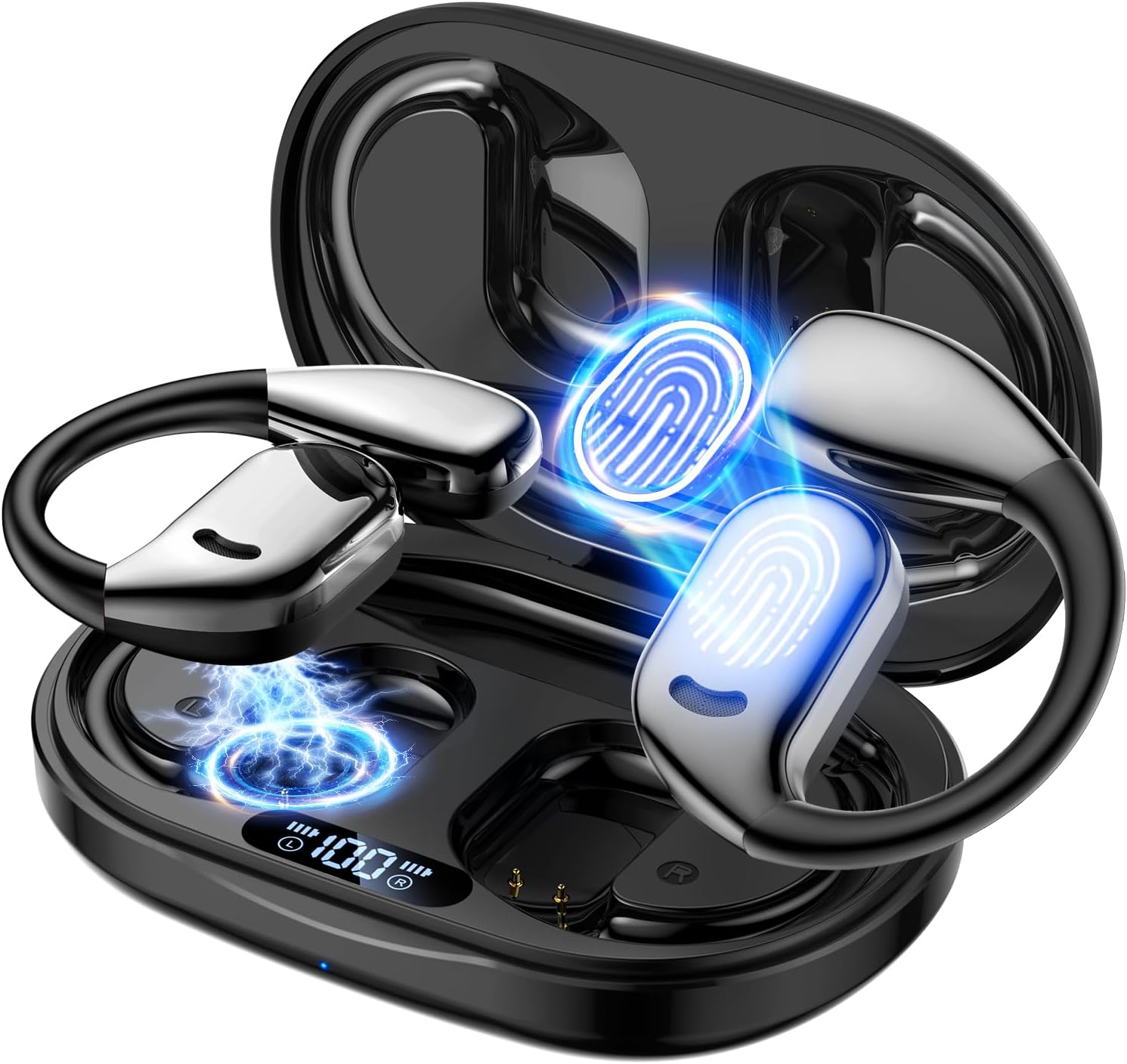
AI translation earbuds are one of those gadgets that sound like science fiction until you actually see them work. At first glance, they look like normal wireless earbuds. They charge in a small case, connect to your phone, and sit in your ears just like AirPods or Galaxy Buds. But the difference is what they can do once you start talking. Instead of only playing music or taking calls, these earbuds are designed to translate conversations in real time, turning language barriers into something that feels surprisingly manageable.
The appeal is obvious. Most people have had that moment while traveling, in a restaurant, an airport, or even a business meeting where communication becomes a frustrating guessing game. You point at menus, use hand gestures, type words into a phone translator, and hope the other person understands. Translation earbuds aim to remove that awkward pause. The idea is simple: you speak in your language, the earbuds process your words through an AI model, and the other person hears the translation. When they respond, you hear their translated words in your own ears. The result is a conversation that feels much more natural than reading text off a screen.
In real-world use, the experience can be genuinely impressive. Many modern translation earbuds can handle dozens of languages and a huge range of accents. Some devices even adapt over time, improving their accuracy depending on speech patterns and regional pronunciation. When everything works smoothly, it feels almost magical, like having a personal interpreter sitting invisibly on your shoulder. You can ask for directions, negotiate a purchase, or have a casual conversation with someone you would normally never be able to communicate with.
The best part is that translation earbuds don’t just translate individual words. The newer models focus heavily on context, meaning they try to understand what you mean rather than producing robotic word-for-word substitutions. This is important because language is full of slang, idioms, cultural expressions, and tone. A phrase like “that’s cool” doesn’t always mean “cold,” and the AI has to understand that. While it still isn’t perfect, the technology has gotten noticeably better in the last couple of years, and that improvement is what makes this category feel like a legitimate breakthrough instead of a gimmick.
However, translation earbuds aren’t flawless, and they can still be awkward depending on the situation. The biggest limitation is speed. Even with modern AI, there is usually a short delay between speech and translation. In casual conversation, this delay can interrupt the natural rhythm of talking, creating a stop-and-go feel. Some earbuds handle this better than others, but none of them feel completely instant yet. It’s less like speaking normally and more like speaking in turns, similar to how you would talk through a human translator.
Another challenge is background noise. Translation earbuds can struggle in busy environments like crowded streets, train stations, concerts, or loud restaurants. If the microphones pick up too much surrounding sound, the AI might misinterpret what was said or miss parts of the sentence. Some devices include noise filtering and voice isolation, but even then, they are not immune to real-world chaos. In quieter settings, the translation accuracy is usually far more impressive.
Privacy is also a major point worth mentioning. Most translation earbuds rely heavily on cloud processing, meaning your speech may be sent to online servers to be analyzed and translated. This raises obvious concerns, especially in sensitive situations like business meetings, legal discussions, or personal conversations. Some companies advertise offline translation modes, but these tend to support fewer languages and offer lower accuracy compared to cloud-based translation. For travelers ordering food or asking for directions, it’s not a big deal. For professionals discussing confidential information, it could be a dealbreaker.
Beyond translation, many of these earbuds try to compete with mainstream audio brands by offering features like active noise cancellation, music playback, and call quality improvements. This is where things get interesting. Some translation earbuds are surprisingly solid as everyday earbuds, while others feel like translation devices first and audio gear second. If the sound quality is weak or the fit is uncomfortable, the novelty wears off quickly. The best models balance both worlds, offering decent audio performance while still delivering reliable translation when needed.
Battery life is another factor that can make or break the experience. Translation requires constant listening, processing, and Bluetooth communication, which drains power faster than normal music playback. Many translation earbuds will last a few hours of active translating, which is enough for a day of sightseeing or a short business meeting, but it may not be enough for long travel days without recharging. The charging case helps, but it’s something buyers should think about if they plan to rely on the earbuds all day.
Despite these limitations, AI translation earbuds are one of the most practical examples of AI in consumer tech today. Unlike flashy AI features that feel unnecessary, real-time translation solves an actual problem. It gives people more confidence to travel, makes international communication less intimidating, and opens the door to conversations that simply wouldn’t happen otherwise. They won’t replace learning a language, and they won’t replace professional human interpreters for high-stakes situations, but they can absolutely make the world feel smaller in a way that’s hard to ignore.
The bigger picture is what makes these earbuds so exciting. Translation earbuds are a glimpse into a future where language barriers are no longer a wall, but a small speed bump. They represent the shift from phones being tools we pull out when we need help, to wearable devices that assist us constantly in the background. If AI continues to improve at the pace it has been improving, translation earbuds may soon become as normal as noise-cancelling headphones. And once that happens, the way we travel, work, and connect with strangers could change permanently.
Right now, AI translation earbuds are not perfect, but they are already useful enough to feel like a real product category instead of a novelty. If you travel frequently, work internationally, or simply love futuristic tech that actually has a purpose, translation earbuds might be one of the smartest gadget purchases you can make in 2026.
