February 2026
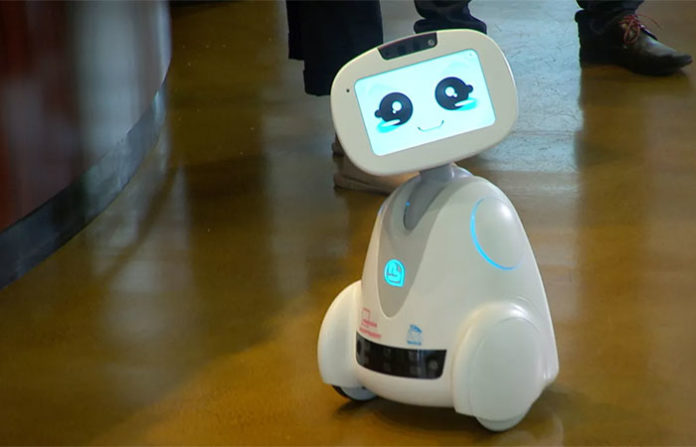
In recent years, home robotics have moved far beyond the familiar image of a small vacuum quietly roaming a living room. Today’s intelligent domestic robots are becoming adaptive assistants capable of interacting with their environment in increasingly sophisticated ways. Unlike early models that could only perform a single repetitive task, modern home robots can map spaces, navigate obstacles, and make decisions based on the context of their surroundings.
A prime example is the **Samsung Bot Handy**, a robot designed to assist with household chores and caregiving. It can recognize different objects, pick up dishes, sort laundry, and even pour wine without spilling. Equipped with advanced sensors and computer vision, Bot Handy can distinguish fragile items from sturdy ones and handle them appropriately. Beyond simple chores, it can also remind family members to take medication or assist elderly users with everyday tasks, demonstrating how robotics is moving toward personalized domestic support.
One of the most compelling aspects of modern home robotics is the ability to anticipate needs rather than just respond to commands. Advanced sensors, computer vision, and AI algorithms allow robots to detect spills, misplaced items, or unusual patterns of movement and respond autonomously. For example, a robot might identify that a room is untidy and quietly organize toys or small objects, or it could alert the user to an item left in a potentially hazardous spot. This proactive approach turns robots into true helpers rather than passive tools.
Connectivity is also central to their functionality. Many robots now operate within integrated smart home ecosystems, communicating with lighting, climate, and security systems. This interconnectedness enables more nuanced behaviors, such as adjusting room lighting when cleaning or coordinating with a smart fridge to check ingredient stock while preparing recipes. Some models even include voice interfaces, allowing users to interact naturally and intuitively without relying solely on a smartphone or tablet.
Of course, the technology is not without limitations. Price remains a significant barrier for many households, as advanced home robotics can cost several thousand dollars. There are also considerations around durability, maintenance, and the occasional misinterpretation of complex environments. However, the pace of innovation is fast, and even early adopters are reporting meaningful improvements in convenience, safety, and quality of life.
Looking ahead, the future of intelligent domestic robotics promises to be even more transformative. As AI continues to advance and hardware becomes more capable, we can expect robots that perform increasingly complex tasks, collaborate with other smart devices, and provide personalized assistance tailored to each household. What once seemed like the stuff of science fiction is quickly becoming a practical reality, redefining the way we think about managing our homes and daily routines.
